
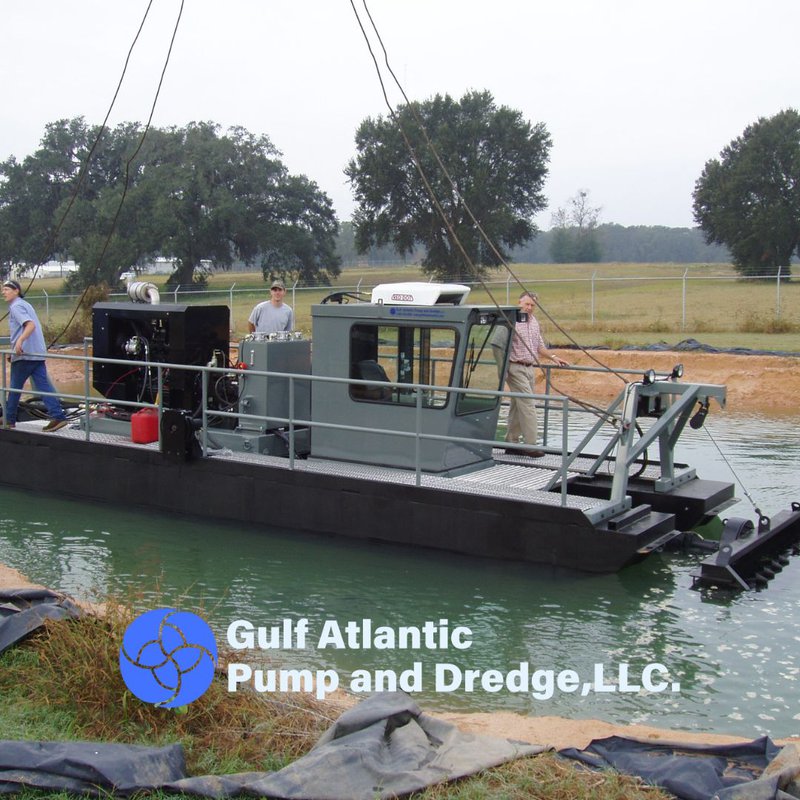
Dredging is the act of excavating bottom sediments from the soil and disposing of them at various locations. It eases dredging is the operation of excavating material from an aquatic environment (sometimes temporarily created). Possible purposes include: improving existing water features; reshaping the land and water features to alter drainage, navigation, and commercial use; construction of dams, levees, and other stream and shoreline controls; and exploitation of valuable mineral deposits or marine life of commercial value. In all but a few situations, excavation is done by a specialist floating plant known as a dredger. Dredging is done in many places and for many purposes, but the main purposes are usually to recover material of value or use or to create greater water depth. Dredges are classified as either suction or mechanical.
History
Ancient authors refer to harbor dredges. The seven arms of the Nile were canalized and harbors were built during the time of the Pyramids (4000 BC) There was extensive port building in the Eastern Mediterranean from 1000 BC and disturbed sedimentary layers testify to dredging. At Marseilles, phases of dredging are reported from the 3rd century BC onwards, most extensive in the 1st century AD. The remains of three dredging boats have been found; they were abandoned at the bottom of the harbor in the first and second centuries AD.
During the Renaissance, Leonardo da Vinci drew a project for a dredger.
During the construction of Dredge, machines have been used Suez Canal from the late 1800s to the present day expansions and maintenance. The completion of the Panama Canal in 1914, the most expensive American engineering project at the time, relied heavily on dredging.
Aims
Capital dredging: This is carried out to create a new port, wharf, or waterway, or to deepen existing facilities to allow access for larger vessels. Since capital works usually involve solid materials or large volumes, the work is usually carried out using a dredger suction cutter or a large rear suction excavator; but for rock work drilling and blasting may be used along with mechanical excavation.
Reclamation: Used to extract sand, clay, or rock from the seabed and use it to build new land elsewhere. This is usually done by a suction cutter dredger or a breakaway dredger. The material can also be used for flood or erosion control.
Maintenance: To deepen or maintain the navigability of waterways or canals that are in danger of silting up over time due to deposited sand and mud, which may make them too shallow for navigation. This is often done with the rear dredging suction hopper. Most dredging is for this purpose and may also be done to maintain the holding capacity of reservoirs or ponds.
Material collection: Removing sediment for elements such as gold, diamonds, or other valuable trace elements. Hobbyists examine their dredged material to select items of potential value, similar to the hobby of metal detecting.
Preparatory: Preparing and excavation for future bridges, piers or docks, or keels. This is often for building foundations.
Flood prevention: Helps to increase the depth of the channel and therefore increases the water carrying capacity of the channel.
Environmental impacts
It is important for us to understand the economic impact of dredging and to work within the confines of the law, thus ensuring that our operations do not harm the environment or ecological balance. With that in mind, we will explain how it impacts the environment and why you should work with a company such as Gulf Atlantic that works to preserve the environment.
Dredging can disrupt aquatic ecosystems, often with adverse impacts. In addition, dredges may contain toxic chemical spoils that may have an adverse effect on the disposal area; in addition, the process often dislodges chemical residues from benthic substrates and injects them into the water column.
The dredging activity may create the following main environmental impacts:
1. Release of toxic chemicals (including heavy metals and PCBs) from bottom sediments into the water column.
2. Collection of heavy metal lead left over from fishing, bullets, 98% reclaimed mercury [naturally occurring and left over from the gold rush era].
3. Short-term increases in turbidity can affect aquatic species’ metabolism and inhibit spawning. Suction dredging is permitted only during spawning time frames determined by fish and game (in-water periods).
The nature of the work and possible environmental impacts lead to strict regulation of the industry and a requirement for comprehensive regional environmental impact assessments with ongoing monitoring. The United States Clean Water Act requires that any discharge of dredged or fill materials into “waters of the United States,” including wetlands, be prohibited unless authorized by a permit issued by the Army Corps of Engineers. Because of potential environmental impacts, dredging is restricted to licensed areas only with vessel activity closely monitored using automatic GPS systems and navigation processes, and helps ships smooth their daily sea voyages. The technique is also used for fishing and replenishing the sand on beaches with low sand levels.
Dredging is also done to create harbors, bridges, piers, docks and other foundation works, as well as to pave the way for smoother water levels. Other causes include mining for gold, minerals, and other materials. It is also used for flood prevention and trash removal. It improves productivity and economy as it speeds up the speed of vessels, allowing goods to be delivered on time.
Process
Dredging is used to extract ores and minerals from underwater mines. The process also takes place in seas, oceans, beaches, riverbeds, and polluted areas around the world to recycle sand and use it where it is needed. Many construction sites also use dredging to produce concrete. By increasing the depth of the channel, dredging can help prevent flooding. The method can also support anti-eutrophication activities and restore polluted areas.
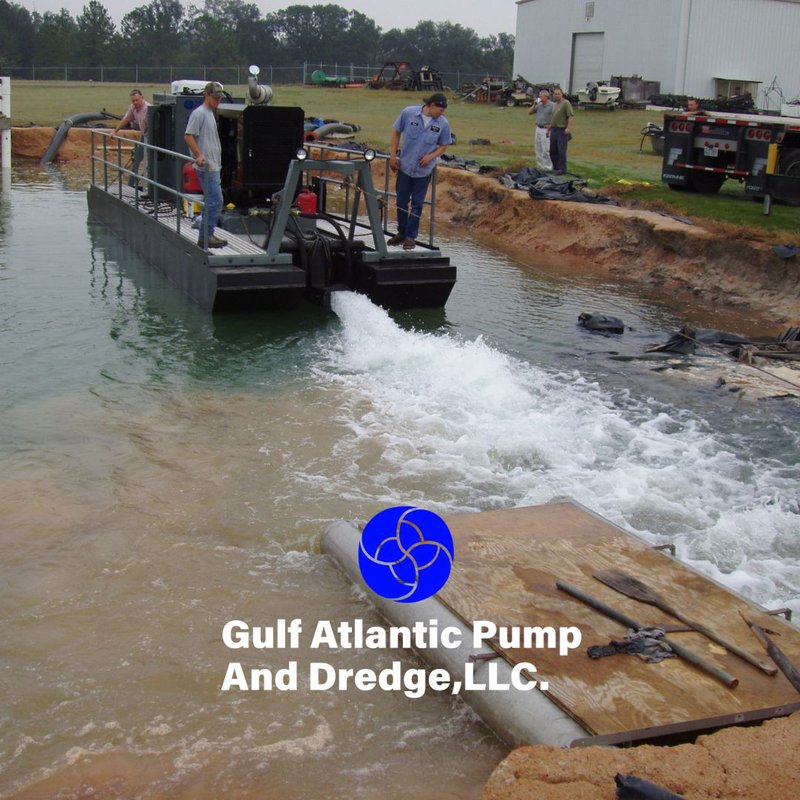
Dredging is done using various tools and machines operated by vessels. The main activity includes an aspiration excavator that works as a vacuum cleaner. It sucks the sediments into its long tubes. Other tools include a suction hopper with a dredger head that collects and discharges the sediments into hoppers attached to the dredger. Additionally, these bunkers discharge the sludge to other areas. Other methods include deploying a cutting dredged section used for hard surface material areas. They cut through the layers of sediments, make them soft, and then the sediments are collected, stored, and disposed of in appropriate places.
The History of Dredging Past
The ancient Romans used dredging as a popular method of deepening navigation channels for the navigation of vessels. “Spoon and bag” excavators were some of the oldest tools used by the Romans for this purpose. Rotary treadmills were used for dredging in the early 1600s. By the 1880s, more sophisticated and sleeker tools and dredging machinery had been developed to improve shipping. Many contractors will undertake dredging work. Discontinuity tools were upgraded to smooth out the heavy river and ocean sediments in the 19th century. Baltimore in the US was the first port to use dredging to dig out the bottom in 1783.
Dredging rivers
Every year the need for river dredging increases worldwide. Communities that surround the natural flow of a river are prone to annual flooding during the rainy season. If the river isn’t properly maintained, silt, sand, and debris can build up and create a bottleneck. If a large rain event occurs, then the weir will restrict flow and the river will rise above its banks and flood local businesses and homes, causing millions of dollars in property damage and possible loss of life. River dredging is necessary to maintain the natural flow of rivers and limit the potential for disasters.
Dredging problems
Many complications arise due to dredging. These concerns include:
1. The release of toxic chemicals from sediments into the water, adversely affects aquatic ecosystems.
2. Increased pollution of bases – based on dredges.
3. Increasing water turbidity affects the metabolism of species and disrupts aquatic life.
Because of these adverse environmental impacts of dredging, the US Clean Water Act was passed to limit the dredging process. Specialist firms must now obtain licenses and permits from the Army Corps of Engineers and can only dredge in marked areas under surveillance by GPS systems. Agencies must also prepare and submit reports to higher authorities.
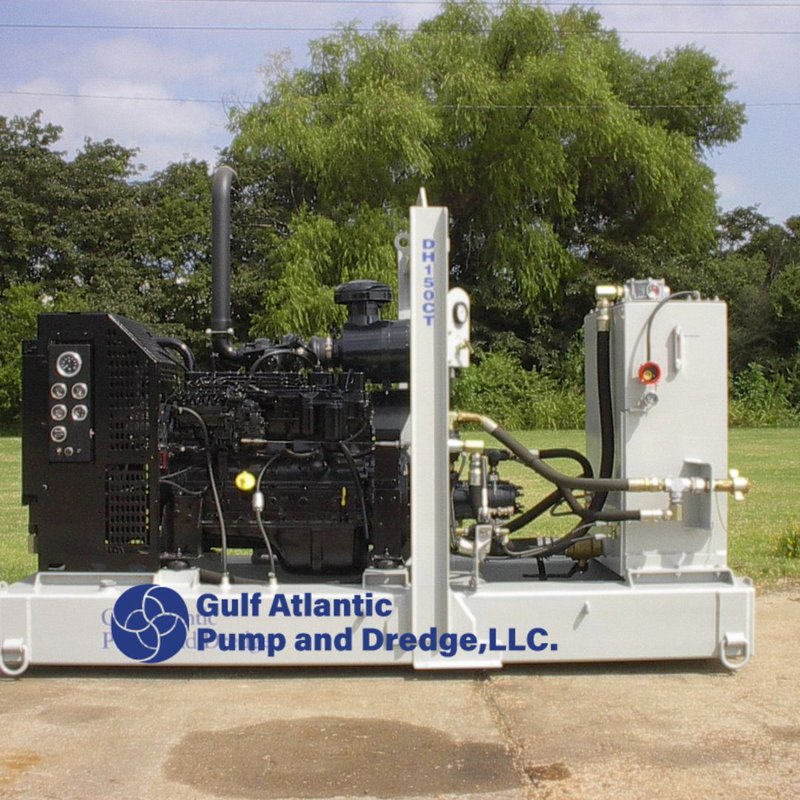
If your company or organization is looking for dredging services, or dredging equipment and pumps, then look no further than Gulf Atlantic. Our pumps are the heart of your operation.